Sound Deadening Roller Tools: Do You Need One and Which to Get
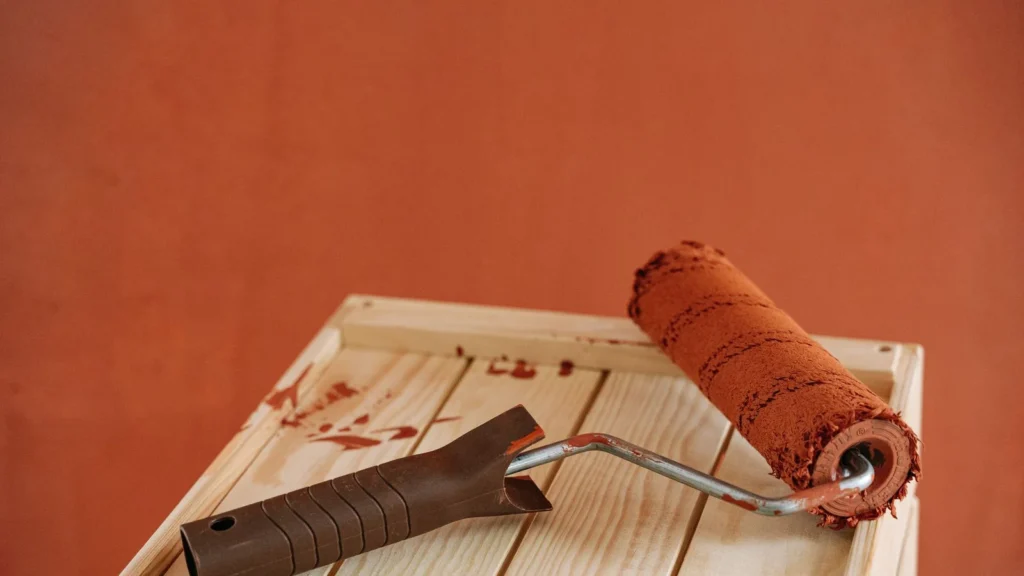
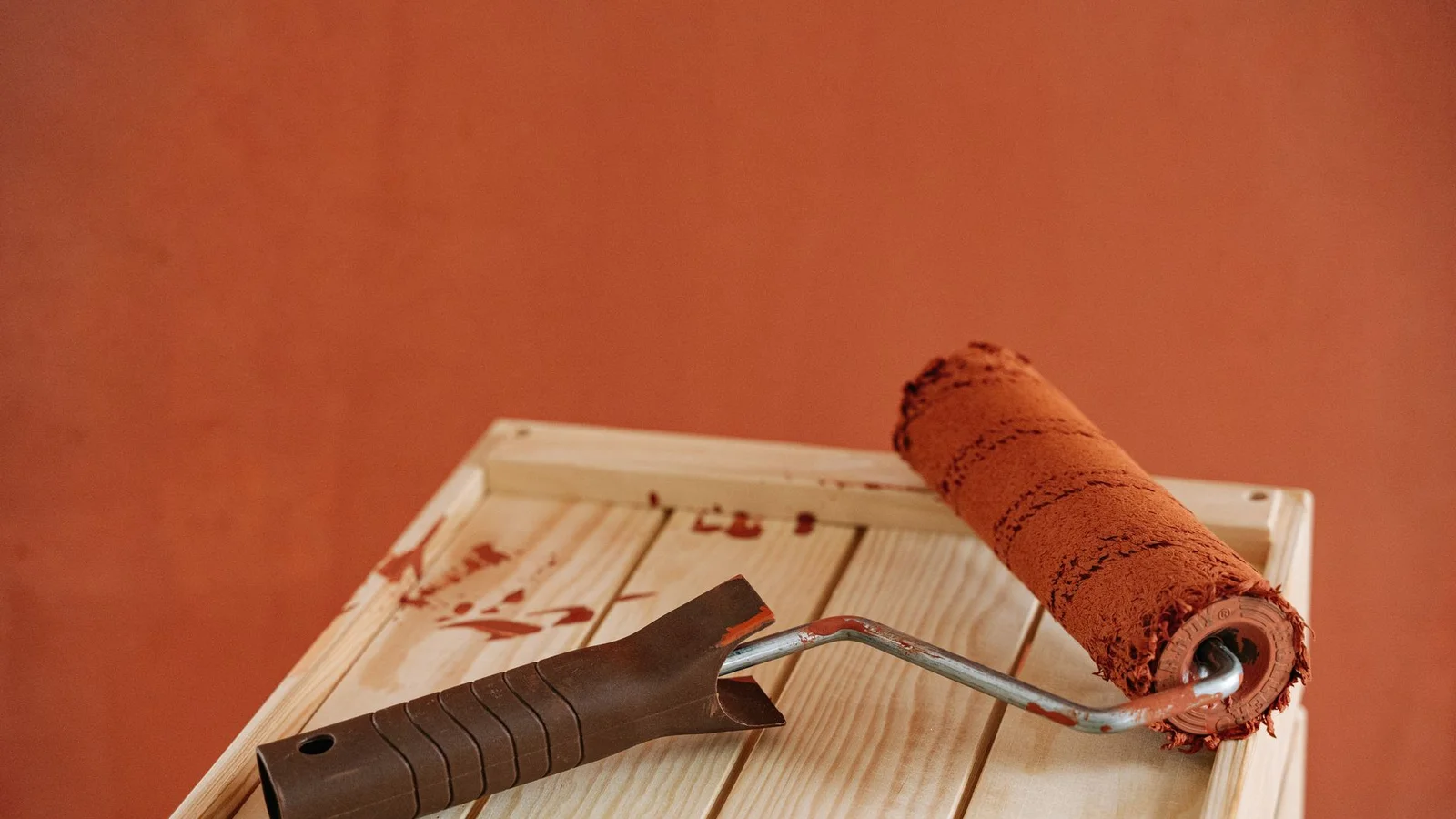
Sound deadening installation doesn’t require much in the way of specialized tools — but the roller is the one piece of equipment that actually matters. Without it, you’re pressing mat against panels with your hands or improvising with a bottle, which produces inconsistent adhesion and air pockets that reduce damping performance over time.

Why the Roller Matters
Butyl mats adhere through contact pressure — the more consistently and firmly the mat is pressed against the panel surface, the better the long-term bond. A roller applies even pressure across the surface, works out air bubbles, and ensures the mat conforms to slight surface irregularities. Corners, edges, and contoured sections are where hand-pressing fails and a roller succeeds.
Does It Need to Be a Dedicated Sound Deadening Roller?
No. A wallpaper seam roller (available at any hardware store for $5–8) does the same job. The “automotive sound deadening rollers” sold on Amazon are functionally identical — the main difference is handle shape and whether the roller surface is rubber or aluminum.
A harder roller surface (aluminum or hard rubber) does a better job on flat sections. A softer roller conforms better to curved surfaces. Most builders use a single medium-hardness roller for everything and get fine results.
Roller Options
- Wallpaper seam roller: $5–10 on Amazon — does the job, no brand required
- Dedicated sound deadening roller: $10–20 on Amazon — ergonomic handle makes extended use more comfortable; otherwise equivalent
- Roller with edging tool combo: Useful for pressing mat into corners and around edges where a roller can’t reach
Other Tools Worth Having
- Heat gun or hair dryer: Essential for cold-weather installs (below 50°F). Warm mat is dramatically easier to work with and adheres better. Even in warm weather, a quick pass with the heat gun improves adhesion on curved surfaces.
- Utility knife: For cutting mat to shape. A sharp blade matters — dull blades drag and distort the foil.
- Plastic trim tools: For panel removal; far better than screwdrivers for protecting clips
How to Use the Roller Correctly
The roller is what turns a sheet of mat stuck to metal into a sheet of mat bonded to metal. Apply firm, overlapping passes from the center of each piece outward, pushing any trapped air to the edges. You want enough pressure that the foil takes on the texture of the panel underneath and the adhesive fully wets out against the metal. A pass that just touches the surface is not enough — lean into it.
Signs You Didn’t Roll Enough
Edges that lift, bubbles under the foil, and a hollow sound when you tap the panel all mean the mat is not fully bonded. Mat that is only partially adhered can buzz on its own and will eventually peel, especially after heat cycles. Go back over any lifted edges immediately while the adhesive is fresh; once it has cured half-stuck it is much harder to seat properly.
Budget vs Dedicated Rollers
A dedicated sound-deadening roller has a narrow steel or hard-plastic wheel that gets into channels and around hardware, which is genuinely useful on doors. But a firm hand roller from a hardware store, or even the rounded handle of a screwdriver for tight spots, will do the job for a one-time install. Do not skip rolling because you lack the perfect tool — pressure matters far more than the brand of the roller.
Why a Brayer Beats Your Hand
Hand pressure alone cannot generate the concentrated force needed to fully wet butyl adhesive into the microscopic texture of bare metal, especially in channels and around curves. A roller focuses your whole arm’s effort onto a small contact patch, which is what actually bonds the mat. Skipping the roller and pressing with your palm is the most common reason edges lift weeks later.
On door skins, a narrow wheel reaches into the recessed sections that a wide roller skips over entirely — and those recesses are often the panels resonating the most.
Caring for the Tool
Butyl adhesive builds up on a roller over a long job. Wipe the wheel periodically with a little adhesive remover or mineral spirits so it keeps gripping rather than sliding. A clean wheel rolls true and presses evenly; a gummed-up one drags and can skip across the foil.
Store the roller where the wheel will not get flat-spotted, and it will last across many cars. It is a buy-once tool, which is why even installers on a budget should own a real one rather than improvising every time.
One Tool, Many Cars
A proper roller is a buy-once purchase that serves across every install you will ever do, which is why even budget-minded builders should own one rather than improvising each time. Pair it with a trim removal tool to avoid breaking door-panel clips, a utility knife or scissors for cutting, and a degreaser for prep, and you have the entire toolkit a sound deadening job actually requires.
Everything else marketed to first-timers is optional. The roller is the one item where the right tool, used with real pressure, directly determines whether your mat stays bonded for the life of the car.
Related: How to Sound Deaden Car Doors
Related: Best Sound Deadening Mat for Cars
[faq]
Q: Can I use my hand instead of a roller?
A: You can, but hand-pressing produces inconsistent adhesion. Air pockets under the mat vibrate and can cause rattling — the opposite of what you want. A roller is worth the $8.
Q: Does the roller need to be automotive-specific?
A: No — a standard wallpaper seam roller from any hardware store works identically to dedicated sound deadening rollers. Save the money for more mat.
Q: Do I need a heat gun?
A: In warm weather, no. In temperatures below 50°F, a heat gun is essential — cold butyl barely sticks. It’s worth having regardless; it also makes contoured surfaces easier to press flat.
[/faq]
Related reading
- Sound Deadening an Electric Car: Why EVs Need It More, Not Less
- How Much Sound Deadening Do I Need? A Coverage Calculator Guide
- How Much Sound Deadening Do I Need? Coverage Calculator Guide
- Sound Deadening for Cars: What It Is and Whether You Actually Need It
Helpful Gear for This Project
The gear links below go to Amazon; as an Associate, this site earns from qualifying purchases.
- See current deadener rollers options — Full adhesion needs rolling — hand pressure leaves air pockets
- Shop butyl sound deadening mats — The core first layer for any door, floor, or trunk deadening job