Does Cheap Sound Deadener Like Kilmat Actually Melt or Fail?
Ask whether budget deadeners like Kilmat “melt” and you’ll get two confident, opposite answers. One person pulled a piece after a year and found goopy, stringy butyl and returning rattles. The next has had the same product baking in Florida or Arizona for a decade with zero issues. Both are telling the truth about their own car. So what’s actually going on, and should it change what you buy? Here’s the honest read, without the brand cheerleading in either direction.
What “melting” really means (and doesn’t)
The dramatic image — deadener liquefying and running down inside your door — is largely overstated. Butyl is chosen for automotive use precisely because it’s thermally stable across the range a car sees, and reputable budget mats hold their shape in normal conditions. When people say a mat “melted,” what they’ve usually found is subtler: the butyl has softened and gone tacky or stringy, or it has started to lose its grip on the panel. It rarely looks like a puddle. It looks like a mat that’s still up there but no longer bonded tight to the metal.
That distinction matters because a constrained-layer damper only works when it’s firmly coupled to the panel. The moment the bond softens or lifts, the damping drops off — even if nothing has visibly moved. That’s why one owner reports rattles creeping back while the mat still looks fine from across the garage.

Why two cars get opposite results
A few real variables explain most of the disagreement:
- Where it’s installed. An outer door skin in direct sun can get dramatically hotter than an interior floor pan. The same mat can be rock-solid on the floor and marginal on a black door baking at a summer curbside.
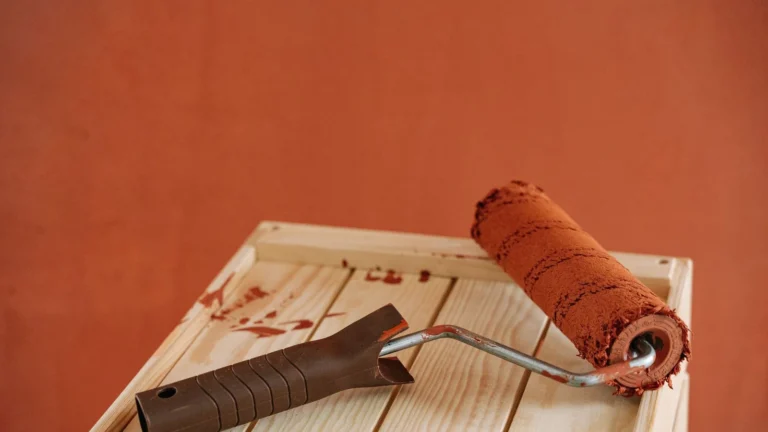
- How it was rolled. Butyl needs to be pressed down with a roller until it’s fully bonded, with no air pockets. A mat laid on cold metal or a dirty surface, or never properly rolled, starts with a weaker bond that heat can finish off. Poor prep is one of the most common reasons a job doesn’t last — see our install mistakes guide.
- Product quality. Budget butyl mats vary. The good ones perform close to premium for a fraction of the price; the worst ones use thinner or lower-grade butyl that’s more heat-sensitive. This is also why genuine butyl beats asphalt-based deadener — asphalt is the material with the real melting and odor reputation.
How to check yours without a teardown
You don’t need to strip a door to know if your deadener is still working. Start with the knuckle rap: knock the panel and listen. If it’s still a dead thud, the mat is doing its job. If a panel you treated has started ringing or rattling again, that’s your signal something has let go. If you want confirmation, pull back one corner in a hidden spot — properly bonded butyl resists and comes away clean; failed butyl feels soft, stretches into strings, or lifts with little effort. Do that check in a non-visible area so you’re not creating a problem while looking for one.
What to actually buy — and how to install it
For most people, a reputable budget butyl mat is genuinely fine, including in hot climates, and the horror stories usually trace back to a bad product, a bad install, or a punishing location. Two practical rules keep you out of trouble: buy real butyl from a name with a track record rather than the cheapest unbranded mat you can find (our Noico vs. Kilmat comparison and mat picks are a good starting point), and install it properly — clean and degrease the metal, apply to a warm panel, and roll every square inch until it’s fully stuck.
If your build lives somewhere brutally hot or you’re treating a lot of sun-exposed outer skin, it’s reasonable to spend up a tier for a mat with a higher heat rating — not because budget mats always fail, but because that’s the one scenario where the cheapest option is most likely to show its limits. For a floor, trunk, or interior panels, a well-rolled budget mat will very likely outlast your interest in the car.
Helpful Gear for This Project
The gear links below go to Amazon; as an Associate, this site earns from qualifying purchases.
- See current butyl sound deadening mats options — The core first layer for any door, floor, or trunk deadening job
- Shop deadener rollers — Full adhesion needs rolling — hand pressure leaves air pockets
The bottom line
“Cheap deadener melts” is part myth, part real. Quality butyl doesn’t liquefy, but a weak bond — from a low-grade mat, a rushed install, or a scorching outer skin — can soften and let go, and that shows up as rattles returning even when the mat still looks fine. Buy real butyl, roll it in properly, spend up only for hot outer-skin duty, and check your work with a knuckle rap. Do that and the melting debate simply won’t be your problem.
Related reading
- Butyl vs Asphalt Sound Deadener: Which One to Actually Buy
- Dynamat vs Kilmat: Which Sound Deadener Is Worth the Price Difference
- Does the Foam on Tri-Layer Sound Deadening Actually Do Anything?
- Firewall Sound Deadening: Does It Actually Reduce Engine Noise